
Southeast Asia Emerges as a Key Growth Engine for China’s Ice & Snow Industry
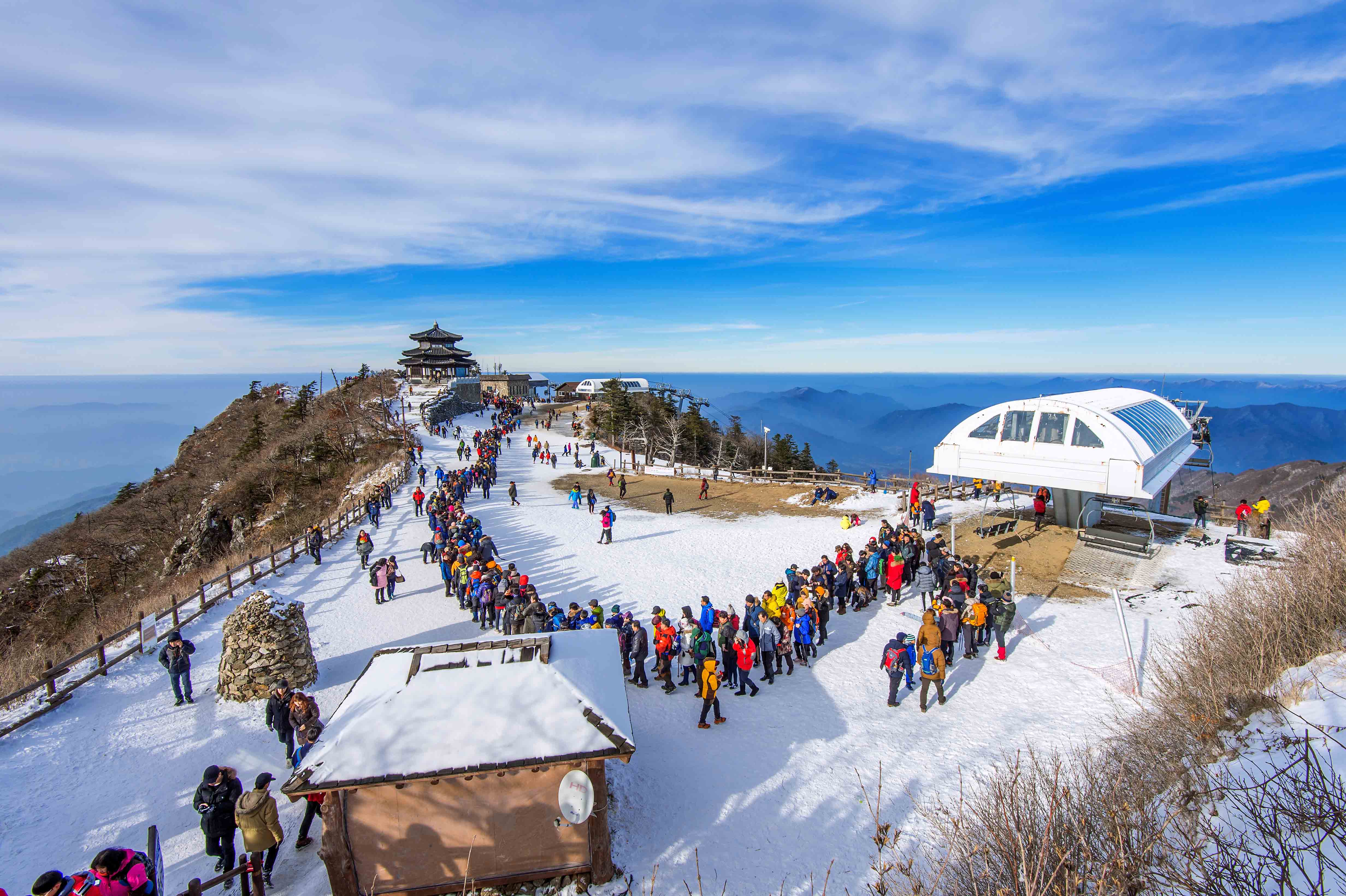
In recent years, China’s ice and snow tourism sector has experienced rapid international growth, with Southeast Asia becoming one of the most dynamic source markets. Travelers from Thailand, Vietnam, Malaysia, Singapore and neighboring countries are increasingly visiting China’s winter destinations in search of snow, skiing and immersive cold-weather experiences—resources rarely available in their home countries.
Rising Demand for Ice & Snow Experiences
Destinations such as Harbin, Jilin, Sichuan and Yunnan have seen a noticeable surge in visitors from Southeast Asia, driven by curiosity for snow landscapes, winter culture and professional ski resorts. Direct international flights, improved transportation links, and proximity to Southeast Asia have further accelerated this trend.
Industry researchers point out that climate contrast plays a key role: travelers from tropical regions are strongly attracted to snow, ice festivals, ski resorts and alpine scenery. Beyond sightseeing, visitors are now extending their itineraries to include ski resorts, snow towns, mountain destinations and winter-themed cultural experiences.
Strong Growth of China’s Ice & Snow Economy
According to official industry reports, China’s ice and snow economy has expanded significantly over the past decade, growing from RMB 364.7 billion in 2016 to RMB 980 billion in 2024, with an average annual growth rate exceeding 20%. This rapid expansion reflects not only domestic demand, but also the increasing integration of China’s winter tourism industry with international travel markets.
Overseas promotional campaigns and targeted marketing in Southeast Asia have strengthened awareness of China as a winter tourism destination, positioning ice and snow travel as a new international consumption trend.
Beyond Tourism: A Complete Industry Ecosystem
Experts note that current growth is no longer limited to visitor numbers alone. Instead, it signals the deep integration of the ice and snow industry chain—including ski resorts, equipment brands, winter tourism operators, cultural experiences, transportation, and service infrastructure—into the global tourism economy.
At the same time, visitors are seeking deeper, more localized experiences, such as winter lifestyle activities, local culture, and community interaction, rather than short sightseeing trips alone.
Improved Accessibility and Infrastructure
China’s optimized visa-free transit policies and continuous upgrades in international traveler services have significantly reduced entry barriers. Airports, transport systems and major tourist destinations have introduced multilingual services, international payment support and digital tools, making winter travel more accessible and seamless for overseas visitors.
The expansion of international flight routes connecting China with Southeast Asia further reinforces the region’s role as a strategic growth market for the ice and snow industry.
Outlook
As Southeast Asian interest in snow, skiing and winter travel continues to rise, China’s ice and snow industry is entering a new stage of global expansion and cross-border collaboration. This momentum creates substantial opportunities for ski resorts, winter tourism destinations, equipment brands and industry partners seeking to connect with international markets.
The trend highlights the growing importance of international platforms that facilitate industry exchange, market entry and business development within the global ice and snow ecosystem.
Source:
China Focus: Southeast Asian tourist flock north, fueling china's ice-snow economy boom